
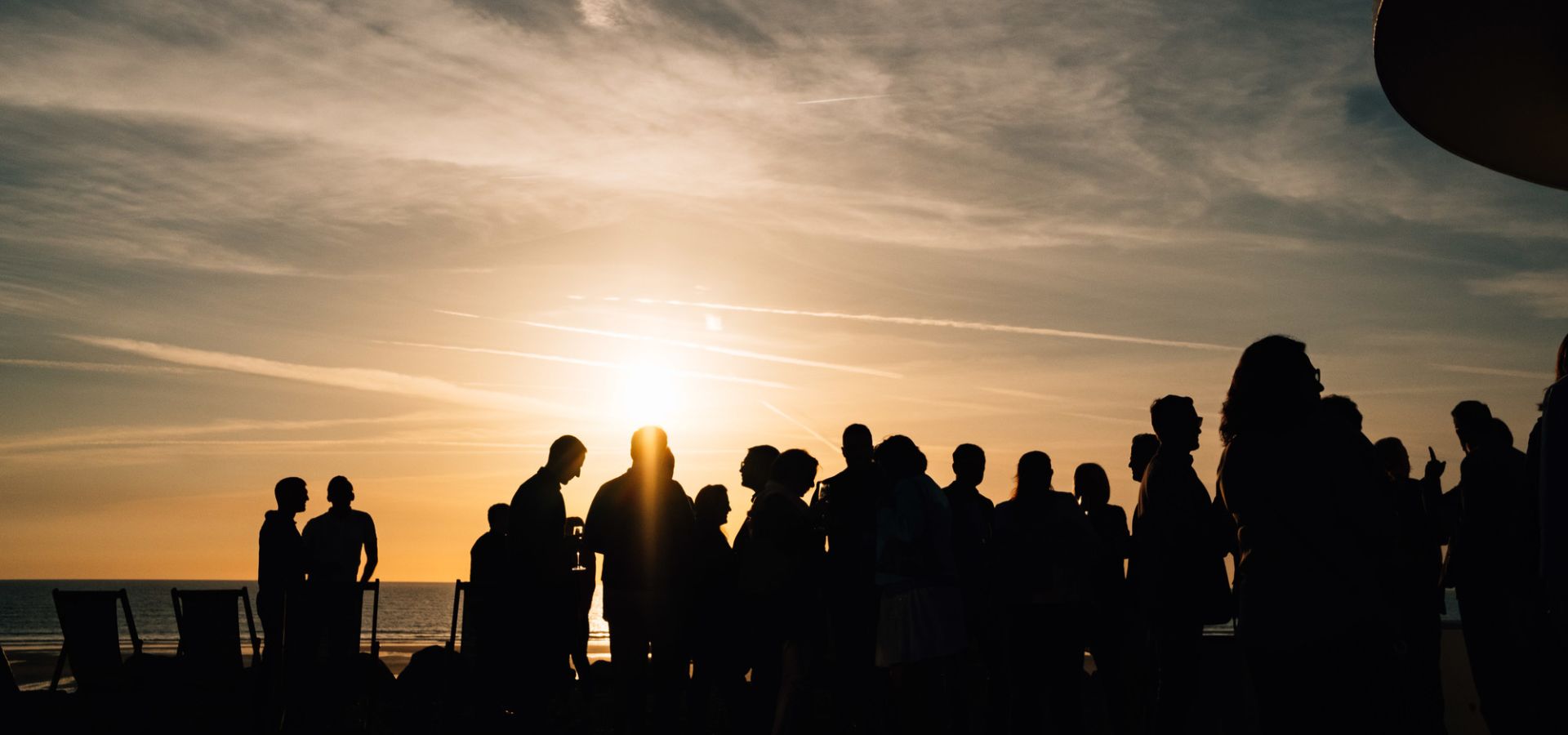
Discover the buzz in Jersey.
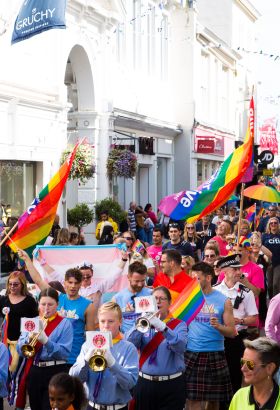
Whether you’re a culture vulture, history buff, adrenaline junkie or just want to get your dancing shoes on; we’ll keep you entertained in Jersey. From energising sports challenges, vibrant music and arts festivals to outdoor film screenings, there’s so much going on in our little island. Why not plan your visit around one of the island’s iconic annual events or festivals?
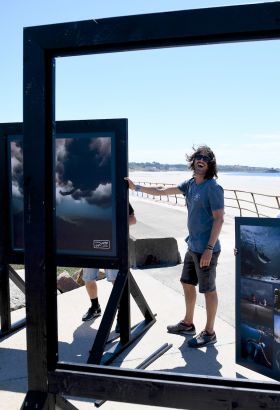
Check out pictures taken by locals and visitors as they’ve been soaking up the island vibes.
Find out what’s on.
Come and experience something new, or just relax and soak up the island atmosphere, it’s up to you.
Music. Find your groove.

ABBA Bingo Wonderland Show – Sunday Brunch Edition
Disco Wonderland comes to Jersey for a weekend of Glitz, Games & Groove! Get ready to disco the day away at our first-ever ABBA Disco Wonderland! Kick off with disco beats, dive into free-to-play ABBA bingo madness, and end the show with a live tribute from the magic that is Planet ABBA! 💃✨ Sunday 21st April selling fast!
Apr 21 2024

Million Dollar Men: A Magic Mike Tribute
After a storming run of events in 2022 and 2023, the boys are back in town for 2024. This powerful show has everything you need for the ultimate night out in this fantastic tribute to Magic Mike! Get ready for a wild one and experience the atmosphere of a fun Vegas strip show with all the sounds of the best 90’s & 00’s R&B Classics.
May 04 2024 ‐ May 05 2024

The Roberto Pla Latin Ensemble: “Mi Alma Latina”
Presented by the Jersey Opera House in association with Jazz en Jèrri, join us for an unforgettable evening with Roberto Pla and the Latin Ensemble, with Adria Godfrey, filled with rhythm, melody, and the magic of live performance.
May 04 2024
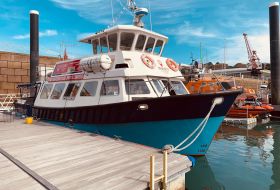
Abandon! Ship! Boat Party
Abandon Ship Boat Parties returns for 2024 with a 3 hour boat party set on Jersey's south coast... This is the best small party in the island! If you have sailed before you know what to expect, 3 hours of Ibizan classics and underground house music, while we cruise the magnificent coast.
May 04 2024
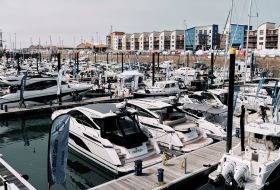
Barclays Jersey Boat Show 2024
The Barclays Jersey Boat Show takes place over three days and is the place for serious boat buyers, water sports enthusiasts and the entire family as we feature an eclectic mix of activities both on and off the water, as well as a variety of maritime, leisure and lifestyle products.
May 04 2024 ‐ May 06 2024
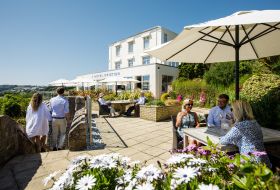
Tunes on The Terrace at Indigos
Join us on our south-facing sun trap terrace, to catch up with friends over relaxed tunes, exquisite cocktails, tantalising treats from the kitchen and of course our stunning views over St. Aubin's Bay.
May 05 2024 ‐ Sep 15 2024
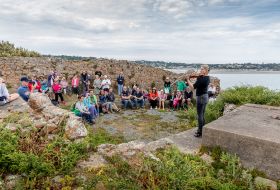
Musical Walk – Seafield House
Embark on a captivating musical journey through the scenic grounds of historic Seafield House, previously the home of an Austrian princess. Serenaded by international violin soloist Harriet Mackenzie and friends including cellist Urska Horvat. The stunning selection of music includes the best of Mozart to South American tangos.
May 09 2024
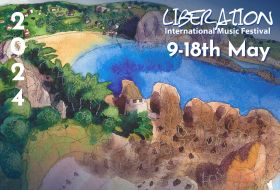
Liberation International Music Festival
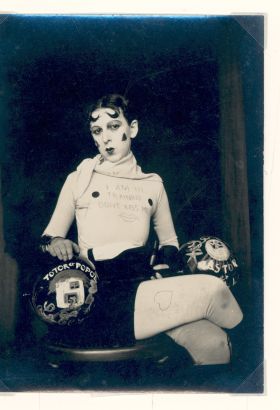
From 09 to 18 May, the 2024 Liberation Music Festival offers a feast of sounds with a theme of mirrors reflecting joy and sorrows through music. From Grammy winning jazz artists, internationally renowned classical stars, to music and words capturing the dramatic story of artist Claude Cahun, enjoy captivating music in beautiful surroundings.
May 09 2024 ‐ May 18 2024
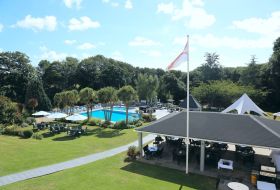
Summer BBQ Garden Party
Join us at Westhill Country Hotel for our summer BBQ garden party. Indulge in delicious ‘All You Can Eat’ BBQ , hop into two heated outdoor swimming pools and outdoor jacuzzi/hot tub spas, soak up the stunning surroundings in our beautiful gardens and bask in the sun on our loungers whilst making the most of free designated parking plus much more!
May 11 2024 ‐ Sep 22 2024
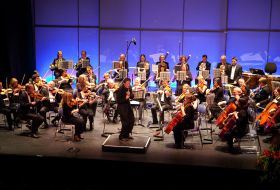
Mozart Double Piano Concerto
Multiple award winning soloist Jean Efflam Bavouzet and his piano partner, Maria Nemecz dazzle in a celebratory concert with the Jersey Chamber Orchestra. Enjoy a concert of favourites including Mozart’s Double piano concerto and Haydn’s Symphony No 47, led by Eamonn Dougan the chief conductor of the Jersey Chamber Orchestra.
May 11 2024
Musical Walk – Ouaisné to St. Brelade
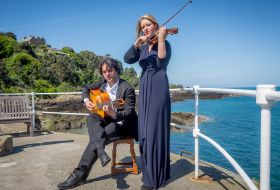
From the Smuggler’s Inn, Ouaisné embark on a delightful guided musical walk across the headland to St. Brelade's Church. Stopping for soulful performances along the way, enjoy international soloist Harriet Mackenzie playing violin with friends and Music in Action's Young Artist Omara Silvester creating a harmonious blend of music and ambiance.
May 12 2024

Liberation Chamber Gala
An evening of chamber music (with dining an optional extra) at the Jersey Museum with celebrated soloist So-Ock Kim (violin) and friends Maxim Rysanov (viola), Dora Kokas (cello) and Wu Qian (piano). Sonorous and joyous Piano Quartets by Mozart, Beethoven, and Faure’s great masterpiece, the brilliant first piano quartet - a night to remember.
May 14 2024
Food & Drink. Tantalise your taste buds.
Taste Jersey
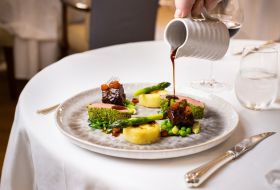
Jersey’s land and sea offer such an abundance of excellent produce, from seafood to dairy to Jersey Royal potatoes and more. Explore the flavours of Jersey during Taste Jersey - a food festival dedicated to showcasing local produce in creative menus and special dining events.
Apr 13 2024 ‐ Apr 30 2024

Bouan Appétit!
We are what we eat! This new exhibition is a celebration of Jersey’s rich heritage of farming, fishing and food.
Apr 13 2024 ‐ Dec 31 2024

Canapé & Champagne Evening
An exclusive canapé and Champagne evening will be held in The Grill. Four exquisite canapés will be served, showcasing the flavours of our new menu, accompanied by two glasses of perfectly chilled Champagne.
Apr 18 2024

Taittinger Dinner in Tassili
Embark on an extraordinary experience where every moment is infused with the effervescent charm of Taittinger's finest Champagnes. Kevin McKee, Director of Taittinger will host this exclusive Champagne dinner with all three dishes featuring an exquisite element of Champagne; each perfectly paired with a unique style of Taittinger.
Apr 20 2024
Taittinger Afternoon Tea
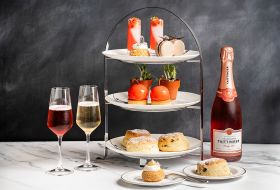
Kevin McKee, Director of Taittinger will host an extra special Afternoon Tea. Indulge in tasty finger sandwiches and scrumptious scones perfectly paired with a glass of Taittinger Brut; then the decadence continues as each dainty dessert features the delicate taste of Champagne, served with a glass of Taittinger Rosé.
Apr 20 2024

JAYF Open Garden – Domaine des Vaux
Explore extensive beautiful gardens and woodland set around a traditional farmhouse. The valley contains native and species trees including many magnolias and camellias. As well as the glorious main garden, enjoy the formal herb garden, greenhouse and vegetable garden. All proceeds to JAYF.
Apr 21 2024
ABBA Bingo Wonderland Show – Sunday Brunch Edition
Disco Wonderland comes to Jersey for a weekend of Glitz, Games & Groove! Get ready to disco the day away at our first-ever ABBA Disco Wonderland! Kick off with disco beats, dive into free-to-play ABBA bingo madness, and end the show with a live tribute from the magic that is Planet ABBA! 💃✨ Sunday 21st April selling fast!
Apr 21 2024

Villa Saletta Wine Dinner
Join us as you embark on a gastronomic journey unlike any other. A fabulous five course menu has been meticulously created by our talented chefs and perfectly paired with four sensational wines from the Villa Saletta estate in the Tuscan region.
Apr 27 2024
Summer Wine & Champagne Tasting
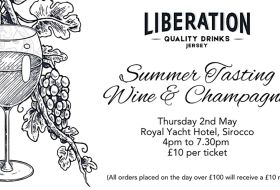
Join Liberation Quality Drinks for an afternoon of premium wine and champagne tasting. Get ready to explore a great variety of wines and champagnes, carefully chosen by our trusted producers. This event promises to be a fantastic experience for wine lovers, giving you a chance to taste and buy at exclusive promotional prices, perfect for Summer.
May 02 2024
Barclays Jersey Boat Show 2024
The Barclays Jersey Boat Show takes place over three days and is the place for serious boat buyers, water sports enthusiasts and the entire family as we feature an eclectic mix of activities both on and off the water, as well as a variety of maritime, leisure and lifestyle products.
May 04 2024 ‐ May 06 2024
Tunes on The Terrace at Indigos
Join us on our south-facing sun trap terrace, to catch up with friends over relaxed tunes, exquisite cocktails, tantalising treats from the kitchen and of course our stunning views over St. Aubin's Bay.
May 05 2024 ‐ Sep 15 2024

Liberation Day
09 May is Liberation Day, a significant date in the island's calendar marking the end of the Second World War. The Channel Islands were infamously the only UK territories to be occupied by German Forces. Expect live music, historical reenactments, food stalls, on-stage entertainment and much, much more. More details on the programme coming soon.
May 09 2024
Sports. Stay, play, spectate and participate.

Jersey Bulls FC Home Games
Head to Springfield Stadium and watch the Jersey Bulls, English football's newest and most southernly club, as they host an action packed exhibition of football. Jersey Bulls have been climbing the leagues and have been involved in a number of successful cup runs, including the FA Cup, FA Vase and have most recently entered the FA Youth Cup.
Apr 20 2024

Yin Yoga, Meditation Mini Retreat with Vegan Treat
Gentle stretches with breath-work and meditation, herbal tea & vegan / gluten-free treat followed by a sublime yoga nidra with sound bath in the natural beauty of St Ouen's Bay. Come and discover the easy way to slow down the fluctuations of the mind and heal from within. Suitable for all levels. Ages 16 and over. www.carla-yoga.com
Apr 21 2024 ‐ Jul 21 2024

True Grit Wetwheels Challenge 2024
The True Grit Wetwheels Challenge is a 4.3km running race with a difference. The challenging course is set in a unique and stunning location, taking runners on a challenging adventure through the Ronez Quarry site on Jersey’s rugged North coast.
Apr 28 2024
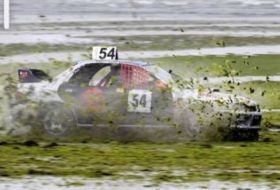
Sand Racing at St. Ouen’s Bay
The Jersey Motorcycle and Light Car Club has a long tradition of sand racing – in fact our island of Jersey and our sister island Guernsey is one of the few places in the British Isles where official races are held.
Apr 28 2024 ‐ Aug 03 2024

Walk in the Park
Discover the natural beauty of the Jersey National Park this May, by joining an expert-guided walk. Each one showcase a different aspect, from wildlife to history, to agriculture and geology, and much, much more. Check out the schedule on the website to choose your walk in one of the many locations across the Park.
May 01 2024 ‐ May 31 2024

Jersey Motorsport: 2-Day Motocross
Jersey only has one motocross track, located at Sorel Point, St John. The site is built into the side of a cliff and offers riders many technical obstacles, and spectators the ability to see 95% of the track from almost anywhere they stand with a great spectator area accessible from a tunnel underneath the track where they can watch all the racing!
May 04 2024 ‐ May 05 2024

Trail Monkey: Double Top Ultra Marathon
Unfurling a new chapter, for the 2024 edition the race now starts at Les Landes and takes you to St. Catherine's Breakwater via Jersey’s breathtaking coastal path. Step into the stunning natural arena of Jersey in the iconic Double Top Ultra Marathon, a cornerstone event of the newly announced Trail-Fest Jersey.
May 04 2024
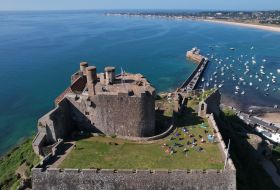
Yoga with Kalimukti at Mont Orgueil Castle
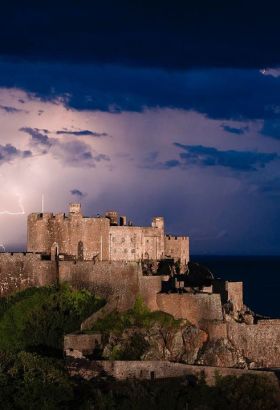
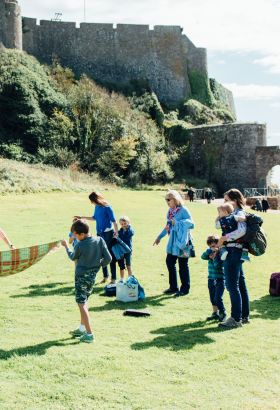
Join Kalimukti for a yoga class at Mont Orgueil Castle, an 800 year old medieval castle that overlooks the stunning Royal Bay of Grouville and home to one of Jersey Heritage's most beautiful and historic sites. No yoga experience required, just come join us to move, breath and connect. Indoor and outdoor spaces depending on the weather.
May 04 2024 ‐ Sep 28 2024
Barclays Jersey Boat Show 2024
The Barclays Jersey Boat Show takes place over three days and is the place for serious boat buyers, water sports enthusiasts and the entire family as we feature an eclectic mix of activities both on and off the water, as well as a variety of maritime, leisure and lifestyle products.
May 04 2024 ‐ May 06 2024

Les Landes Horse Race Days
Head to Les Landes Racecourse, the most southerly racecourse in the United Kingdom. Spend a day at the races with family, friends or colleagues and enjoy food, entertainment with uninterrupted views over the historic ruins of Grosnez Castle and the neighbouring islands of Guernsey, Sark and Herm.
May 12 2024 ‐ Sep 08 2024

Colour Festival 2024
Family Nursing & Home Care's Colour Festival is a celebration of Life for the whole family and includes a 5km colour run (or walk), DJ and more. The event welcomes families, corporate teams and groups of friends who want to take part in a worthwhile and fun fundraising insta-worthy event.
May 18 2024
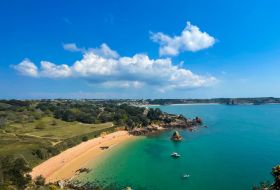
South Coast Charity Challenge
Join Jersey Mencap for a 15 mile sponsored walk, raising vital funds for people with learning disabilities in Jersey. This coastal challenge follows the south coast from La Rocque Harbour to Radio Tower near La Corbière plus a shorter accessible route is available too. Sign up, recollect your walker pack and t-shirt and enjoy this beautiful walk.
May 19 2024
Festivals. Get into your groove and join the festivities.
Musical Walk – Seafield House
Embark on a captivating musical journey through the scenic grounds of historic Seafield House, previously the home of an Austrian princess. Serenaded by international violin soloist Harriet Mackenzie and friends including cellist Urska Horvat. The stunning selection of music includes the best of Mozart to South American tangos.
May 09 2024
Liberation Day
09 May is Liberation Day, a significant date in the island's calendar marking the end of the Second World War. The Channel Islands were infamously the only UK territories to be occupied by German Forces. Expect live music, historical reenactments, food stalls, on-stage entertainment and much, much more. More details on the programme coming soon.
May 09 2024
Liberation International Music Festival
From 09 to 18 May, the 2024 Liberation Music Festival offers a feast of sounds with a theme of mirrors reflecting joy and sorrows through music. From Grammy winning jazz artists, internationally renowned classical stars, to music and words capturing the dramatic story of artist Claude Cahun, enjoy captivating music in beautiful surroundings.
May 09 2024 ‐ May 18 2024
Musical Walk – Ouaisné to St. Brelade
From the Smuggler’s Inn, Ouaisné embark on a delightful guided musical walk across the headland to St. Brelade's Church. Stopping for soulful performances along the way, enjoy international soloist Harriet Mackenzie playing violin with friends and Music in Action's Young Artist Omara Silvester creating a harmonious blend of music and ambiance.
May 12 2024
Liberation Chamber Gala
An evening of chamber music (with dining an optional extra) at the Jersey Museum with celebrated soloist So-Ock Kim (violin) and friends Maxim Rysanov (viola), Dora Kokas (cello) and Wu Qian (piano). Sonorous and joyous Piano Quartets by Mozart, Beethoven, and Faure’s great masterpiece, the brilliant first piano quartet - a night to remember.
May 14 2024
Colour Festival 2024
Family Nursing & Home Care's Colour Festival is a celebration of Life for the whole family and includes a 5km colour run (or walk), DJ and more. The event welcomes families, corporate teams and groups of friends who want to take part in a worthwhile and fun fundraising insta-worthy event.
May 18 2024

13th Parish: Jersey International Film Festival
The 13th Parish is Jersey’s International Film Festival. Each year we bring the very best of contemporary film to the island – new work from all over the world, in every genre, all hand picked and lovingly curated for your entertainment and amazement.
May 23 2024 ‐ May 26 2024
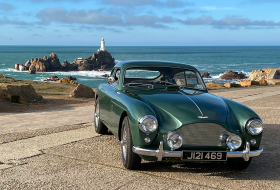
The 2024 Jersey Concours D’Elegance
Car and motorcycle enthusiasts – indeed, anyone who admires elegance and beauty in design – will be rewarded with a display of some of the world’s finest automobiles for the third year running, to coincide with the Jersey International Festival of Motoring, on the Lower Park, Victoria Avenue, St. Helier on Saturday 1st June.
Jun 01 2024
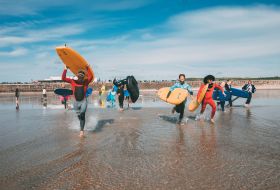
GOOD Vibrations Surf Festival
Jersey’s favourite Surf Festival, GOOD Vibrations returns to officially kick off the Summer on 15 June. So people, dig out your retro garms and head down to the Watersplash for a day of fun in the sun. Expect Surf, Music, Mullets, Promoting Mental Health, GOOD Vibes and much, much more.
Jun 15 2024

Krafty J’s Beer Festival 2024
Calling all beer lovers! Mark your calendars because Krafty J's Beer Festival 2024 is just around the corner! Join us on Saturday, June 22nd at 12:00 PM at the stunning People's Park for an unforgettable beer experience! 🍻
Jun 22 2024
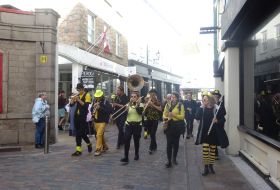
Fête de la Musique
ArtHouse Jersey is partnering with Jersey Opera House, Alliance Française and Maison de la Normandie et de la Manche for Jersey’s own take on the annual Fete de la Musique.
Jun 22 2024
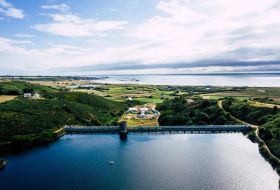
Out-There 2024
Returning in 2024 for it’s 6th edition! Out-There is an unmissable two-day music event, hosted in a unique destination, the “Valley of The Unknown”. Dance the weekend away in the natural surroundings of Val de la Mare Reservoir n St. Peter! The event has hosted artists such as Fisher, Basement Jaxx, Camelphat and Chase and Status.
Jul 06 2024 ‐ Jul 07 2024
Family. Make memories together.

Snakes at Jersey Zoo
Have you ever wondered how a snake swallows its food? Or how their incredible spines work? Join us at Jersey Zoo for our ‘Snakes’ exhibition and explore the secretive life of these often-misunderstood reptiles.
Apr 13 2024 ‐ Apr 28 2024
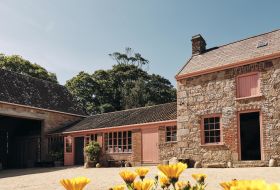
Les P’tits Faîtchieaux
Do you believe in magic? A visit to Hamptonne and La Hougue Bie may just change your mind.
Apr 13 2024 ‐ Apr 30 2024
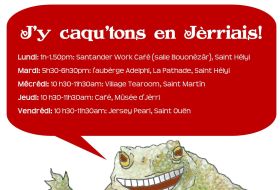
Drop in for Jèrriais
Feel free to say "Bouônjour!", join the tables and chat or listen. There's no need to speak Jèrriais: eavesdroppers are welcome. Every week there's an opportunity to experience some Jèrriais, as speakers and learners meet up to use Jersey's own language.
Apr 13 2024 ‐ Dec 31 2024
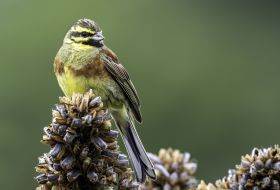
Wild Islands: Through The Lens
This temporary exhibition celebrates Channel Islands biodiversity through the work of many talented local photographers.
Apr 13 2024 ‐ Dec 31 2024

The Land and Us | La Tèrre et Nous
A community outreach, learning programme and exhibition developed by ArtHouse Jersey in collaboration with local artist Alexander Mourant. The project is about reconnection to the land through journeys, collective making and experiences with interdisciplinary artists and community groups.
Apr 13 2024 ‐ May 05 2024

Bouonnefemme at Hamptonne
Meet Rose Le Brun, the Bouonnefemme at Hamptonne, who will let you in on local secrets and village gossip. Rose’s predecessor, Old Maud, had been at Hamptonne for years, but she travelled to St Aubin to see family and never returned. Perhaps the plague got her - they had a lot of it down there.
Apr 13 2024 ‐ Oct 25 2024

Master Gunner at Elizabeth Castle
Stand to attention for the Midday Parade and prepare yourself for the resounding bang of the signal gun.
Apr 13 2024 ‐ Oct 31 2024
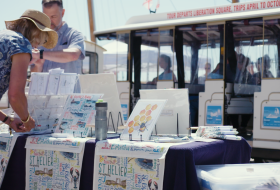
Genuine Jersey Artisans’ Market
This regular artisans' market takes place in the picturesque harbour village of St. Aubin in front of and inside the parish hall. You will find an array of locally produced wares on sale, including goods from growers, bakers and craft workers. There will be live music from local musicians throughout the day.
Apr 13 2024 ‐ Oct 19 2024

Making Art Partnership in Schools Exhibition
This art show is the result of work created by Jersey’s students who have participated in the Making Art in Partnership with Schools (MAPS) project, which is delivered in partnership between ArtHouse Jersey and the Department for Children, Young People, Education & Skills (CYPES).
Apr 13 2024 ‐ Apr 21 2024

King Charles II
Meet the 'Merry Monarch' for a tour of his Castle and he'll tell you some fascinating stories of his time in Jersey.
Apr 15 2024 ‐ Oct 31 2024

Pounds for Paws Dog Walk
Come along and enjoy our pawsitively exciting Pounds for Paws dog walk! We're walking from the La Fregate beach slipway, near the La Fregate Cafe to Bel Royal where we will turn around and come back. All proceeds help us to support the animals in our care and build a better life for them!
Apr 20 2024
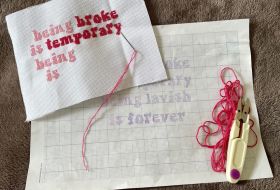
‘Come Sew with Me’ Workshop
Join me for the first 'Come sew with me' cross-stitch workshop! Suitable for complete beginners who've never picked up a needle and thread! Come and learn a great creative skill for mindfulness and relaxation! During the workshop, you'll learn how to create a pattern/ template for your design and then sew your own unique cross stitch masterpiece.
Apr 20 2024
What's On This Month?
Les P’tits Faîtchieaux
Do you believe in magic? A visit to Hamptonne and La Hougue Bie may just change your mind.
Apr 13 2024 ‐ Apr 30 2024
Bouan Appétit!
We are what we eat! This new exhibition is a celebration of Jersey’s rich heritage of farming, fishing and food.
Apr 13 2024 ‐ Dec 31 2024
Pounds for Paws Dog Walk
Come along and enjoy our pawsitively exciting Pounds for Paws dog walk! We're walking from the La Fregate beach slipway, near the La Fregate Cafe to Bel Royal where we will turn around and come back. All proceeds help us to support the animals in our care and build a better life for them!
Apr 20 2024
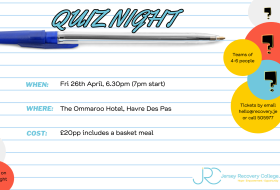
Quiz Night – Jersey Recovery College
Let's get quizzy! JRC are holding a quiz night on Friday 26th April at the Ommaroo Hotel, which is kindly being hosted by 'More Than a Quiz'. The quiz is from 6.30pm with a 7pm start.
Apr 26 2024
Taittinger Afternoon Tea
Kevin McKee, Director of Taittinger will host an extra special Afternoon Tea. Indulge in tasty finger sandwiches and scrumptious scones perfectly paired with a glass of Taittinger Brut; then the decadence continues as each dainty dessert features the delicate taste of Champagne, served with a glass of Taittinger Rosé.
Apr 20 2024
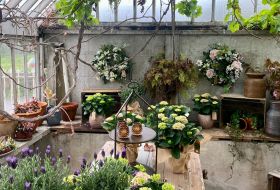
The Trading Point Spring Fair
The historic barns at David Hick will once again be filled with local stall holders selling their wonderful handmade creations. Everything from home scents, ceramics to cards and original art. The Trading Point and Jess will be open as usual and in the courtyard refreshments will be provided by Beresford Street Kitchen. Plenty of free parking
Apr 27 2024
Taittinger Dinner in Tassili
Embark on an extraordinary experience where every moment is infused with the effervescent charm of Taittinger's finest Champagnes. Kevin McKee, Director of Taittinger will host this exclusive Champagne dinner with all three dishes featuring an exquisite element of Champagne; each perfectly paired with a unique style of Taittinger.
Apr 20 2024
Bouonnefemme at Hamptonne
Meet Rose Le Brun, the Bouonnefemme at Hamptonne, who will let you in on local secrets and village gossip. Rose’s predecessor, Old Maud, had been at Hamptonne for years, but she travelled to St Aubin to see family and never returned. Perhaps the plague got her - they had a lot of it down there.
Apr 13 2024 ‐ Oct 25 2024
Jersey Bulls FC Home Games
Head to Springfield Stadium and watch the Jersey Bulls, English football's newest and most southernly club, as they host an action packed exhibition of football. Jersey Bulls have been climbing the leagues and have been involved in a number of successful cup runs, including the FA Cup, FA Vase and have most recently entered the FA Youth Cup.
Apr 20 2024
Drop in for Jèrriais
Feel free to say "Bouônjour!", join the tables and chat or listen. There's no need to speak Jèrriais: eavesdroppers are welcome. Every week there's an opportunity to experience some Jèrriais, as speakers and learners meet up to use Jersey's own language.
Apr 13 2024 ‐ Dec 31 2024
Master Gunner at Elizabeth Castle
Stand to attention for the Midday Parade and prepare yourself for the resounding bang of the signal gun.
Apr 13 2024 ‐ Oct 31 2024
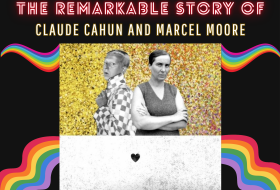
In the Footsteps of Claude Cahun & Marcel Moore
Learn about the remarkable story of Claude Cahun and Marcel Moore, two French Surrealist artists who moved to Jersey in 1937 and confounded the German occupying forces using highly unusual and creative methods of resistance.
Apr 20 2024
Open the pages of Jersey’s official guide…
… to explore more about ‘What’s On’ in the island and to meet some of the people who can help you get out and about in our little island.