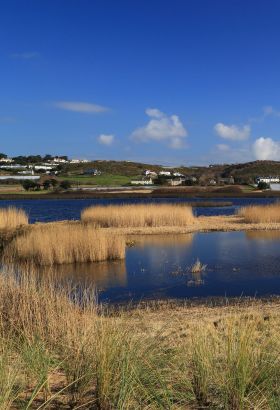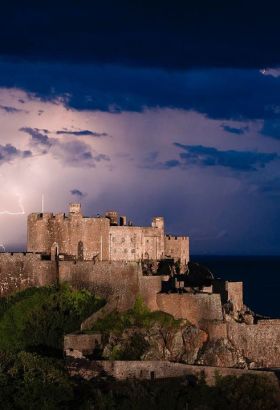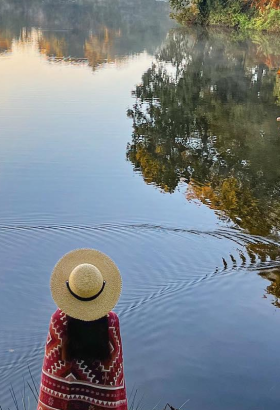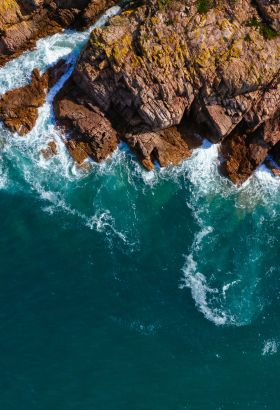


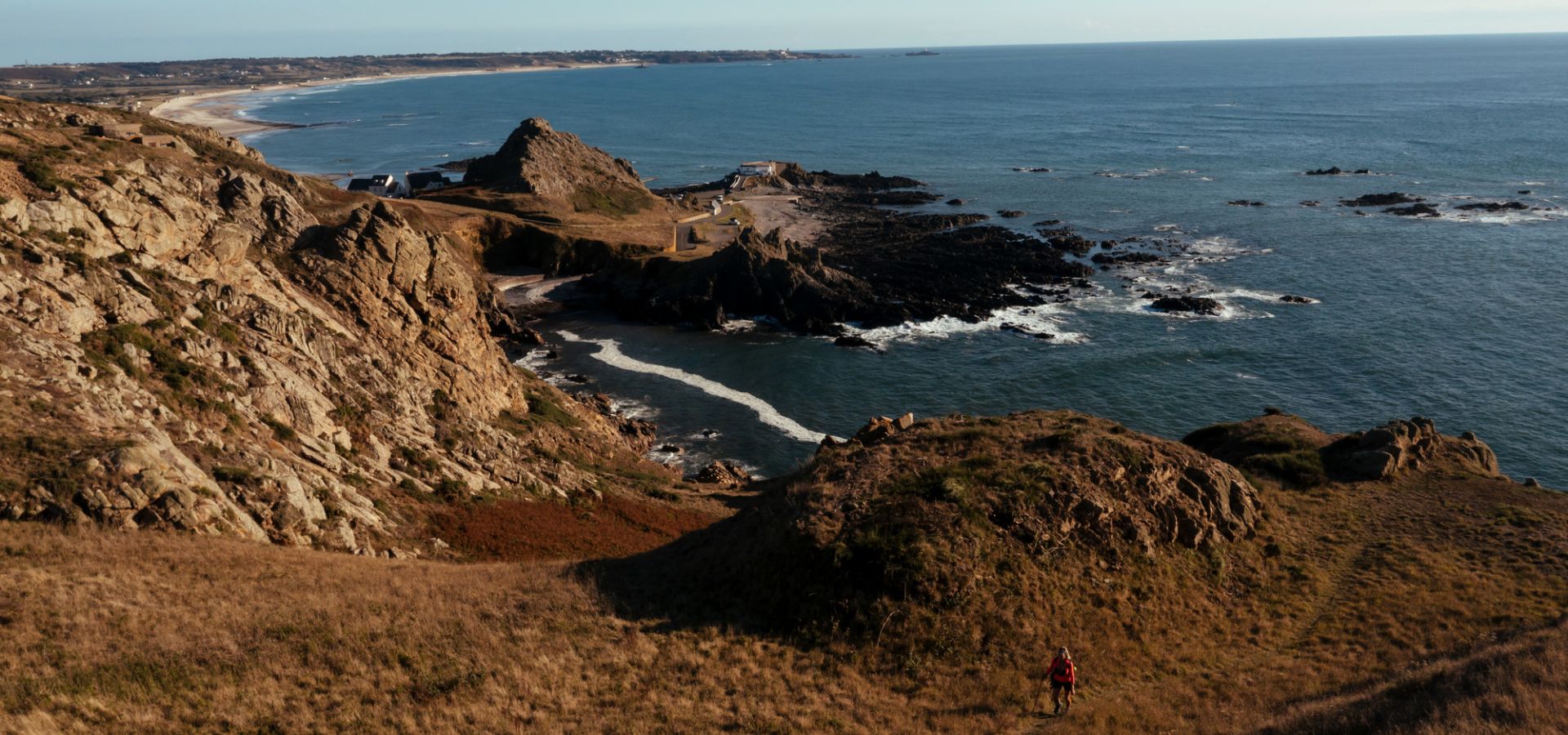
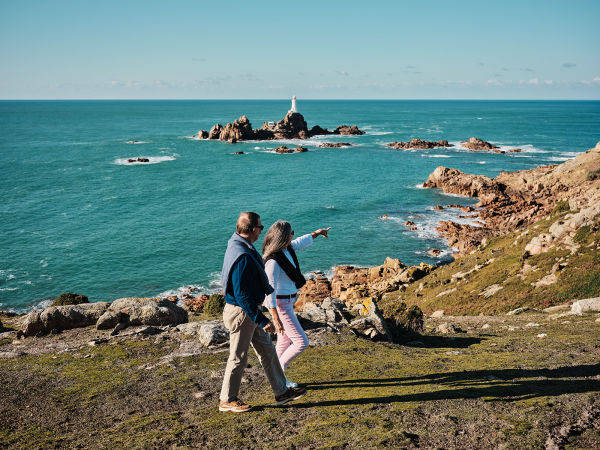
Walking holidays in Jersey are simply good for the soul. You will discover a landscape full of gentle surprises, shifting in a kaleidoscope of colour with each passing season. Blow away the cobwebs on a walking weekend, with fresh salty air as you drink in the dramatic beauty of Jersey’s coast. Meander along rugged cliff paths carpeted with gorse and wildflowers as the tide laps against the sweeping shoreline below.
Wander through wooded valleys and country lanes to birdsong, or gently amble along the marina to enjoy local food and drink at a seaside pub nestled in a French-style fishing village. As the sinking sun lights up the evening sky, paddle your tired feet in clear local waters when the day is done.
Whether it’s a solo walking holiday, or perhaps you’ve got the troops with you on a family walking holiday, come and explore this unique island – with no passports required for travellers from the UK, it couldn’t be easier to book yourself a hiking holiday in Jersey.


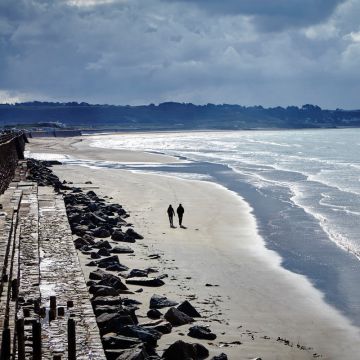
Explore all corners of the island
Self guided walking routes.
From north to south, east to west – Jersey’s landscape changes dramatically within a few kilometres.
Planning a walking holiday in Jersey? Discover our self-guide walking routes and explore Jersey at your own pace – perfect for both family and solo walking holidays.
Stride out at a walking event in Jersey.
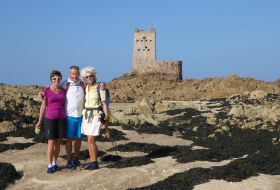
Seabed Walk to Seymour Tower
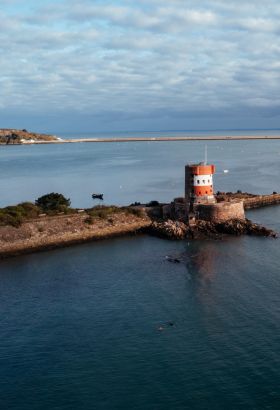
Walk on the seabed and explore gullies and rock pools as you walk to Seymour Tower (one mile offshore) and discover Jersey’s very own wilderness with expert local guides. Walk in Europe's largest intertidal rocky area during our 'Moonwalks' as you discover the lunar-like rock formations. Escape from the sounds and activities of everyday life as you explore a place that is neither sea nor land.
Apr 21 2024 ‐ Aug 26 2024

Foraging Tour & Michelin Starred Tasting
You’ll be whisked away by a local transfer to the Jersey’s Wild East or West Coast, choose from either an inland or coastal foraging experience with a renowned local guide, that will take your through the abundance of produce available in Jersey, either foraging for herbs and mushrooms inland or for seaweeds and shellfish with a coastline tour of one of our breathtaking Jersey bays.
Apr 20 2024 ‐ Dec 28 2024

Flavours of Jersey: The Foodie Tour
Jersey is a food lover’s paradise and the Jersey Uncovered team would be delighted to share this with you on a ‘Flavours of Jersey’ foodie tour. From Michelin star restaurants to more modest cafes, oysters to ice cream, Jersey offers a wide choice of delicious treats. ‘Flavours of Jersey’ will take you on a culinary journey around the island which highlights how and where the Island’s food and drink is produced. All will be linked by an engaging and interesting commentary about Jersey’s rich heritage and island life today as you travel around and enjoy all that this special island has to offer.
Apr 20 2024 ‐ Dec 29 2024
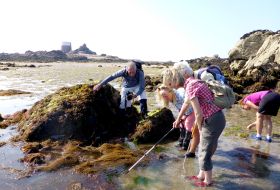
Seabed Walk to Icho Tower
Discover a marine world that is hidden beneath the ocean and only appears on the lowest tides of the year as we walk one mile from shore to Icho Tower. Venture into Jersey’s very own wilderness, which is covered by some of the highest tides in the world, on a marine exploration with a local trained guide. Also called “Moonwalks”, our walks are in the daytime, and the seabed is more than just a barren lunar-like landscape.
Aug 22 2024

St. Helier Walks
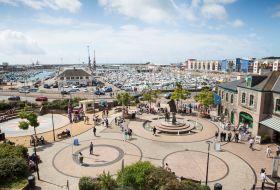
Join our qualified guides every Sunday morning to take a walk through the fascinating history and culture of Jersey. Tours start from and return to Liberation Square. Tickets can be booked in advance through Eventbrite or you can pay on the day (cash only, please).
Apr 21 2024 ‐ Jul 28 2024

Bioluminescence on The Beach
As night descends and the ocean recedes, star-like shapes of luminous green twinkle and sparkle in a few unique spots at low tide. Experience the uniqueness of bioluminescent creatures and other marine life on this “moonwalk” across the seabed. Visit our website to book online.
May 03 2024 ‐ Aug 30 2024
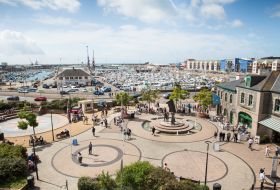
St. Helier – Occupation to Liberation Tour
You will be led on an adventure through time with Blue Badge Guide, Martin Walton a specialist in military tours from Napoleonic to WW2 and German Occupation of Jersey during WW2. You will visit sites around St. Helier's Harbour with poignant reminders of events from both the Occupation and Liberation of the island and hear what really happened during those fateful days.
May 05 2024 ‐ May 26 2024
How about a guided walking tour?
Jersey’s local guides will take you on a journey through the history and natural wonders of the island and will tell you the local secrets on hidden paths and in secluded bays. Just bring your hiking boots and a sense of adventure.

Jersey Walk Adventures
Enter a world where the ocean disappears to the horizon, and we are all visitors. Explore rock pools on a guided walk into Europe's largest rocky inter-tidal zone. Walks to Seymour Tower are also called “moonwalks”. Discover Jersey's wilderness with local guides who have explored this wonderful coast for many years.
M C Guiding
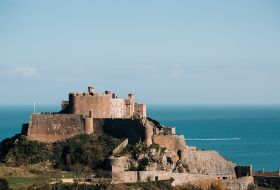
Melanie Cavey is a Jersey born, qualified Bronze Badge guide with a passion for the island and its fascinating history and beautiful environment. Melanie's main aim is always to make Jersey more than 'just an island', by bringing it alive through the stories behind buildings, places and some of the many people who have contributed to our society.

Maritime Tours with Capt. Brian Nibbs
Bronze Award Guide and former Harbour Master, Capt. Brian Nibbs will lead you on a maritime adventure as you learn about the development and traditions across the island - with the occasional maritime anecdote! No two tours are the same and a warm welcome awaits you on this informal stroll with a seafaring flavour.
Jersey Tourist Guides Association
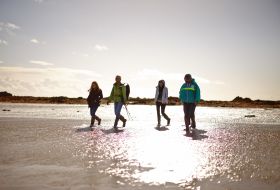
Surrounded by crystal clear seas and wonderful beaches, the island has an incomparable depth of history and heritage, from Palaeolithic, Neolithic and the bronze age to modern times. Our qualified guides will help you learn and understand more about this rich and diverse island. You can arrange private tours for individuals, small or large groups.
Tom Bunting – Blue Badge Guide
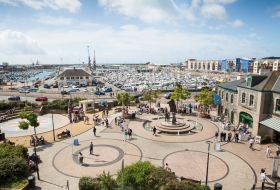
Tom Bunting is an experienced Blue Badge Guide, providing all types of walking tours around Jersey. The tours and talks range from general, historical and political topics to the highly unusual and bizarre events that have taken place in the island.

Discover St. Helier & More
Every Sunday morning one of our qualified guides will take you on a journey through the fascinating history and culture of St Helier. On Friday morning our guide will guide you around St Aubin, Jersey's main harbour up to the early 1800s and tell you tales of pirates, treasure, smuggling & even adventures to be had from this very port.

Jersey Uncovered
Jersey Uncovered is a team of registered, qualified Blue Badge Guides who provide bespoke and group tours of the island by coach, car, foot, bike or kayak. Each of the members have different specialities and can tailor their tours to meet individual needs. The one thing we all have in common is a passion for the wonderful island we call home.
Walking Tour with Martin Walton – Blue Badge Guide
Join Blue Badge Guide Martin, for one of his Occupation themed walking tours, The German Occupation Coastal Trail and St. Helier - Liberation to Occupation. A specialist in military tours from Napoleonic to WW2 and the Occupation of Jersey, he looks forward to welcoming you to join one of his walking tours and sharing his knowledge with you.
Stroll, walk or strut…
… whatever your style, find your stride with our walking inspirations.




Take the bus.
Explore as much of Jersey as possible.
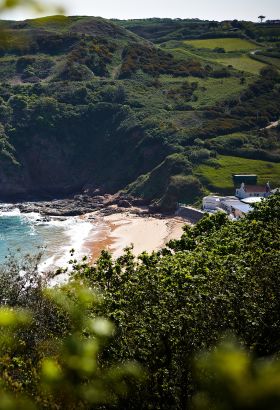
It may sound like strange advice for walkers, but most of the best trails on the island are easily accessible by bus. Jersey’s LibertyBus routes reach all over the island from Liberation Station in St. Helier. Tickets can be purchased ahead of time via their app or on the bus. Multi-day tickets are available for one, two, three or seven days and allow you to see as much of the island as you like during your stay.
More ways to enjoy your island break.
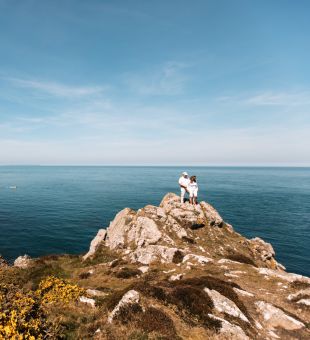

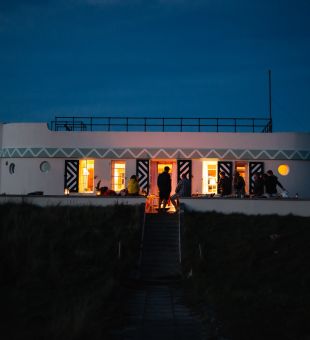

Tie up those laces and explore the outdoors.
Check out these snaps taken on some of the walking tours.