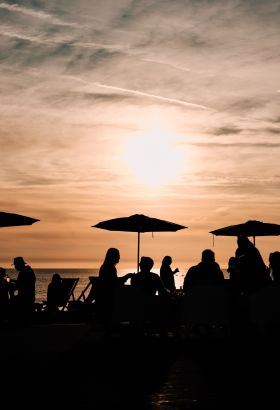
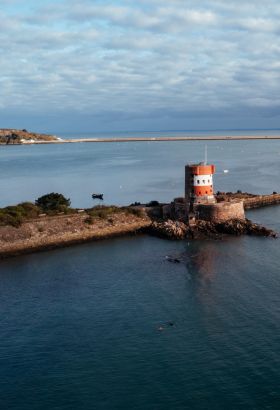

Our island is just nine miles by five, making it easy to fit plenty of fun things to do in Jersey into a weekend or an extended break. Delve into the island’s colourful past or dive into our natural playground. Recharge on a relaxing break or shop ‘til you drop with a dose of retail therapy. Whatever kind of holiday you’re dreaming of, you’ll find it here and it’s all on your doorstep in Jersey. How will you spend your island time?
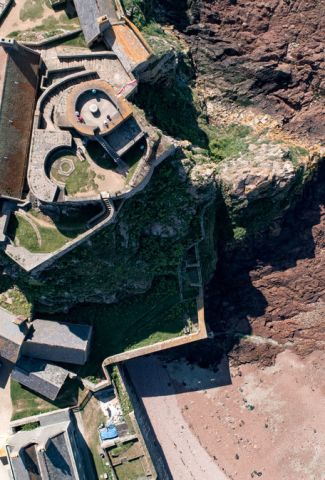
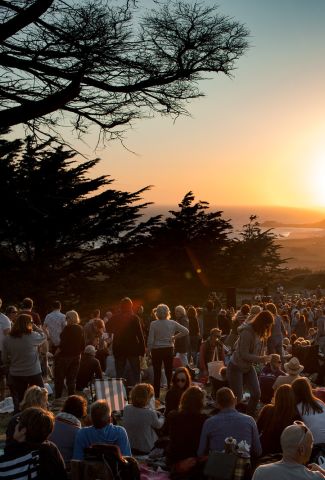
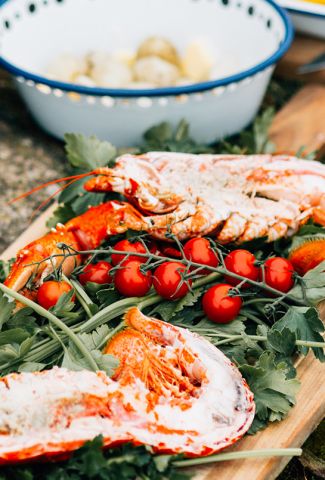

Discover Jersey’s official guide book…
Explore what’s on in the island and meet some of the people who can help you get out and about in our little sunshine isle.
What's hot?
It’s been an exciting year in Jersey, with bucket-loads of new places to stay, play, eat and drink popping up here on our island. Here, we bring you our Jersey ‘hot’ list – so you can discover all the latest and greatest hits next time you visit.
Island break itineraries.
Need a little help deciding how to fill your Jersey holiday? We’ve got you covered. Choose from a collection of itineraries bursting with ideas of what to see and do during your getaway.


Discover Jersey’s top attractions.
Jersey has a wealth of wonders just waiting to be discovered. Explore the island’s most fascinating sites, including Jersey Zoo, the renowned Jersey War Tunnels, imposing castles and unique museums.

La Mare Wine Estate
La Mare Wine Estate is a hidden gem nestled amidst the picturesque parish of St Mary. With free entry and ample parking, the estate extends a warm welcome to all whatever the weather. Join one of their Tour and Tasting Experiences, relax and refuel in the Vineyard Cafe and stock up on Genuine Jersey treats in the Cellar Gift shop.
Mont Orgueil Castle
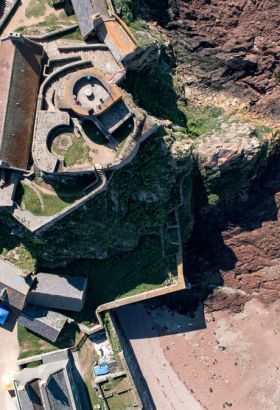
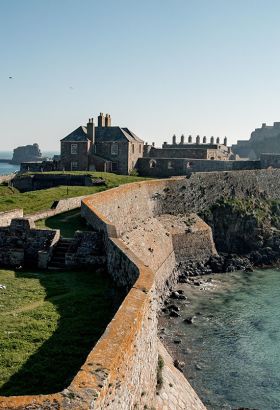
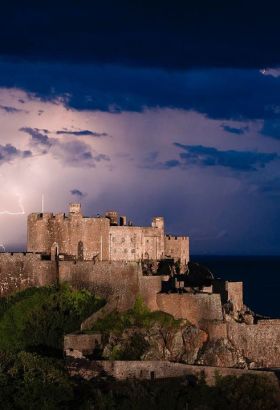
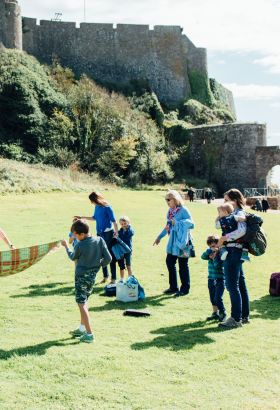
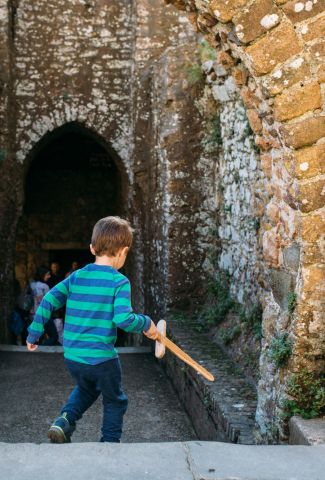
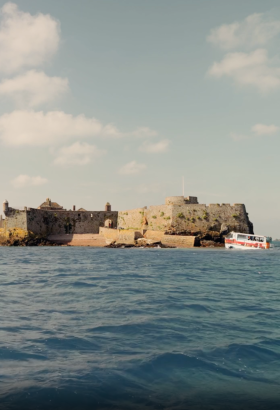
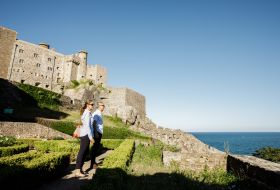
Mont Orgueil Castle, or Gorey Castle, has cast its imposing shadow over the beautiful fishing port of Gorey for more than 800 years. One of the finest examples of a medieval fortress in existence, Mont Orgueil is also a symbol of Jersey’s national identity and independent character.

The Botanic Gardens at Samares Manor
Created in the 1920's by millionaire philanthropist Sir James Knott, The Botanic Gardens offer many distinctive and unique plant collections which thrive in this exceptionally fertile site. Visit The Botanic Gardens to relax, explore, discover, eat, shop and stay. Uncover one of Europe's most outstanding gardens.

Jersey War Tunnels
Jersey War Tunnels tells the true story of wartime Jersey in a way that no other visitor attraction does. It’s the best place to get a true picture of what life was really like in Jersey during WWII. The exhibition is housed within an underground tunnel complex, built by the Germans using slave labour.
Jersey Zoo.
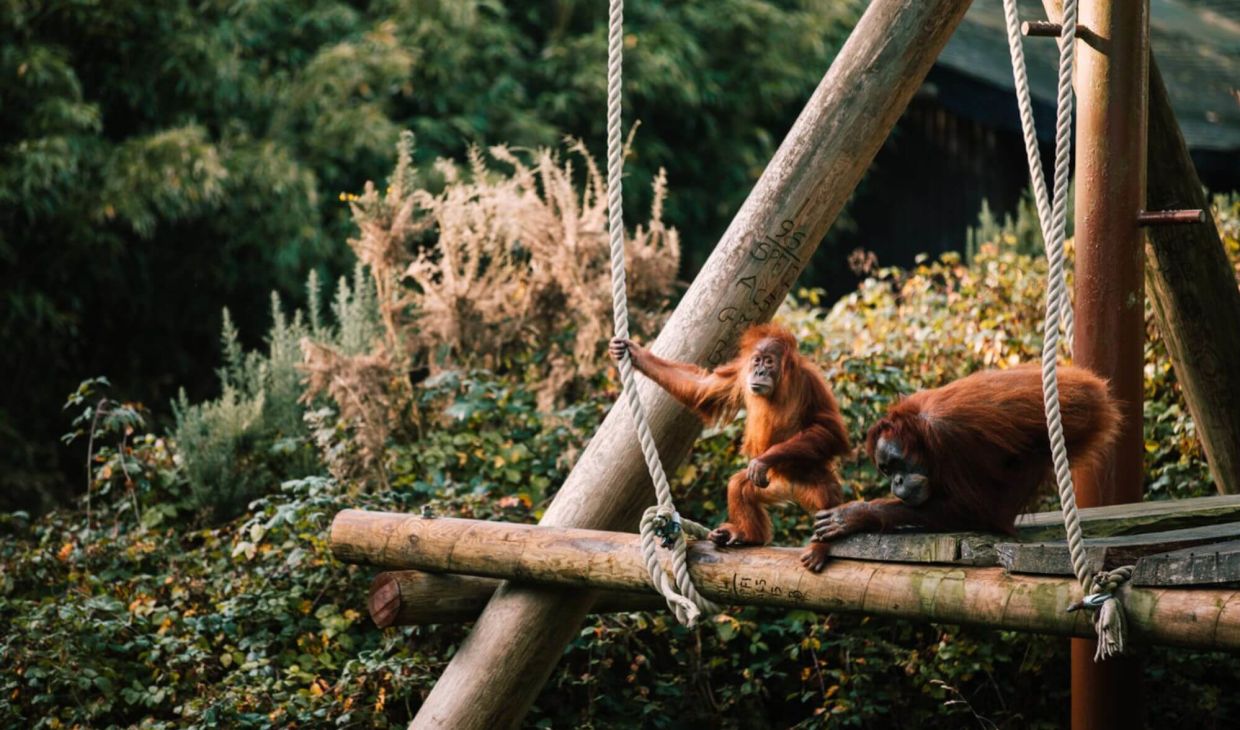
Whether you’re after fun, tranquillity, knowledge or a place to soak up the sunshine, this stunning 32-acre park with valleys, woodland and some of the world’s rarest animals is the perfect chance to experience ‘the jewel in Jersey’s crown’.
Fill your holiday with activities.
Jersey is bursting with possibilities. So, what are you waiting for?… Get out there and uncover the island break.
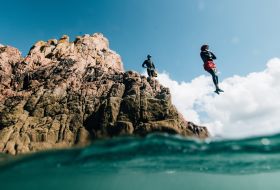
Absolute Adventures
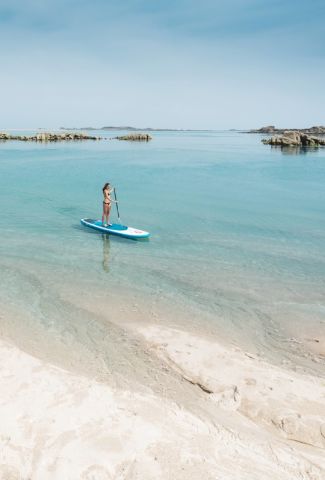
Jersey’s leading watersports and adventure centre located in the stunning St. Brelade’s Bay, owned and run by a professional and experienced team who enjoy nothing more than to share their passion for the sea and adventure with visitors and locals alike.

EVie – Electric Shared Mobility
Access our floating electric bikes, daily and weekly rental electric bikes, kid carrying cargo bikes, electric micro cars, normal cars and vans all easily via the EVie app. EVieBikes are available from just £1. Cars by the hour from just £9. Heading out for cocktails, then use our all electric taxi service - Home James.

Jump Jersey
Jump Jersey is the island’s newest and biggest indoor activity centre, with a trampoline park, climbing walls and soft play area. Complete with laser light show and music, it's home to more high-energy adventure and adrenaline-fuelled action than you could possibly imagine. We've got something for everyone, so come by and get your bounce on!
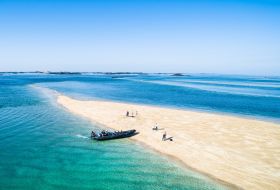
Jersey Seafaris
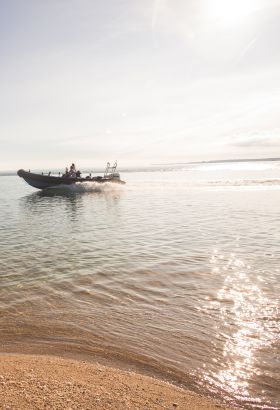
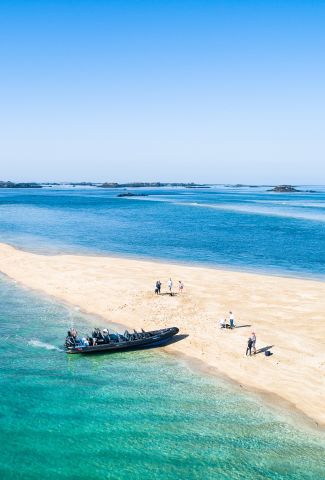
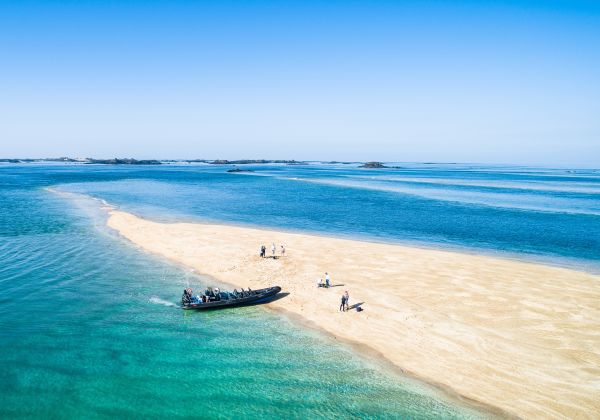
RIB boat trips around Jersey's beautiful coastline, offshore reefs and surrounding waters. Seafaris include Les Ecréhous, Les Minquiers, north coast and caves, France for lunch or dinner, dolphin spotting and so much more. Suitable for all, whether it's scenery, wildlife or an adrenaline fix, there is a Seafari for you.
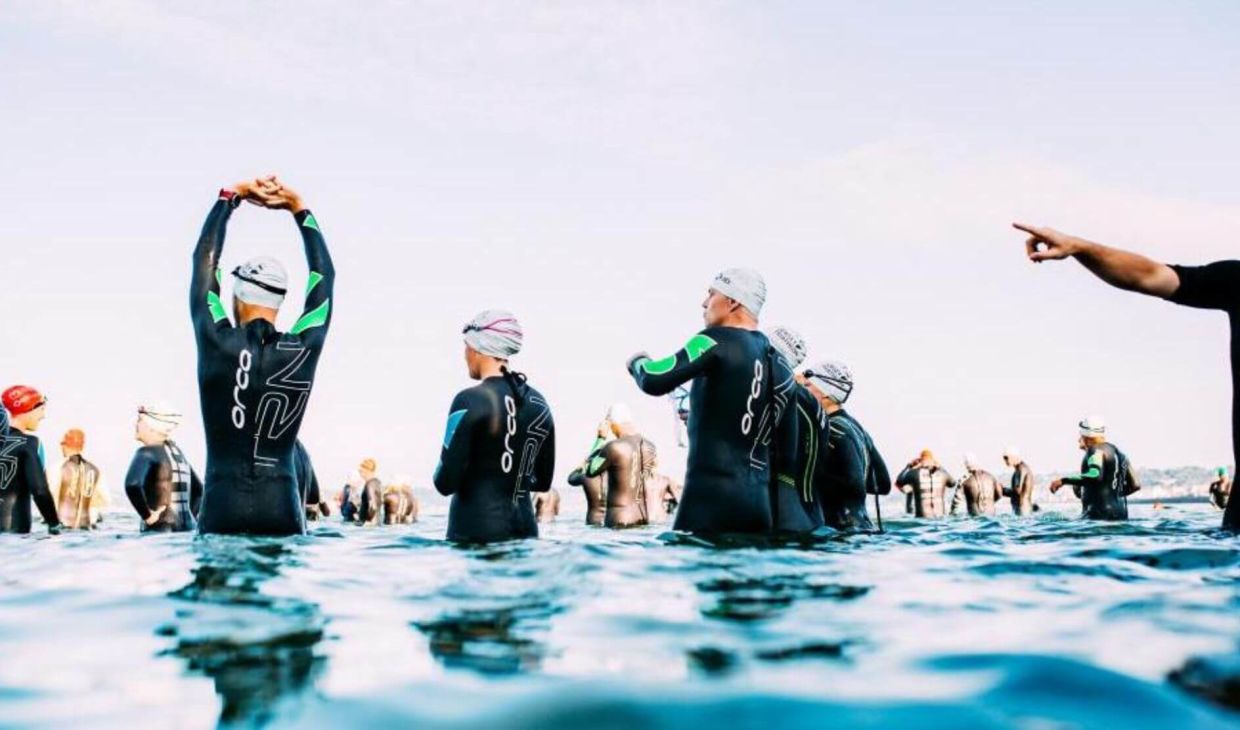
Events in Jersey.
Why not plan your visit around one of the island’s vibrant annual events or festivals? Find out what’s happening while you’re here, come and experience something new or just relax and soak up the island atmosphere, it’s up to you.
Take a tour of Jersey.
Whatever tickles your fancy, there’s a tour for you. Get to know the island the way the locals do and get the inside scoop.
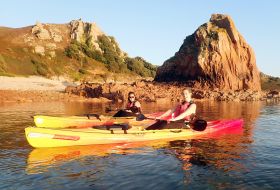
Kayak into Nature
Paddle away from the hustle and bustle of everyday life on our kayak into nature tour (1½ hours). Reconnect with nature and the environment. Experience the sights, sounds, smells and sensations of being in nature as you paddle your kayak along the beautiful coastline around Jersey.
May 09 2024 ‐ Sep 06 2024
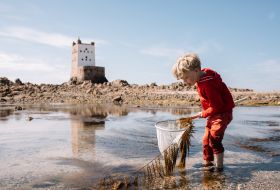
Family Walk on the Seabed to Seymour Tower
A fun daytime 'moonwalk' on the seabed, as you ramble towards Seymour Tower (one mile offshore) with an expert local guide. You will wade through gullies and rock pools to observe tiny beasts and lots of amazing marine life. Don’t forget a bag as we always find pretty shells. You’ll be on a discovery tour in a seaweed jungle and marine mini-zoo – so expect to get your feet wet!
May 05 2024 ‐ Aug 25 2024
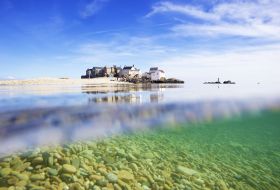
Les Ecréhous Wildlife Seafaris
Embark on one of our most popular Jersey Seafaris to Les Ecréhous, a small group of islands and rocks situated 6 miles from Jersey and 8 miles from France. On a typical trip passengers will cruise around the reef hoping to spot the varied birdlife, Atlantic Grey Seals and if you are lucky bottlenose dolphins. Our awesome crew and skippers will tell you stories and fascinating facts about Jersey and Les Ecréhous.
Apr 20 2024 ‐ Aug 31 2024
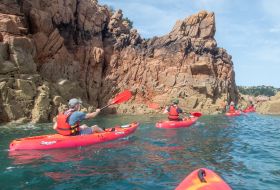
2 Hour Coastal Kayaking Tour with Kayak Nomad
Join us for a small tour of a section of Jersey's sublime coastline. With an hour and a half on the water, this Kayak Tour is long enough to discover something new, without ended up too tired. Session times: 10:00, 14:00 and 18:00
Apr 20 2024 ‐ Feb 10 2025

Mont Orgueil Castle Tour
Want to find out more about the Castle's history? Take a free tour with one of our volunteer guides.
Apr 20 2024 ‐ Dec 31 2024
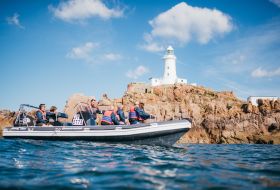
Scenic RIB Tour with Absolute Adventures
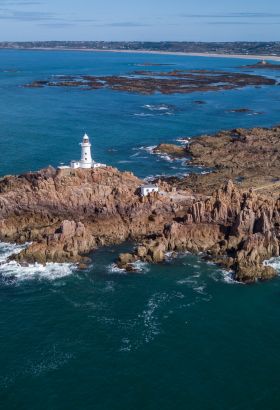
What a perfect way to see the beautiful south coast of Jersey by RIB. Standard day time tours depart from St. Brelade's Bay out and around the south coast. During this scenic exploration, you will discover a number of local landmarks including Beauport, Corbière Lighthouse, Portelet and more.
May 01 2024 ‐ Sep 01 2024
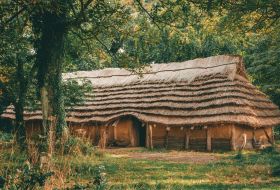
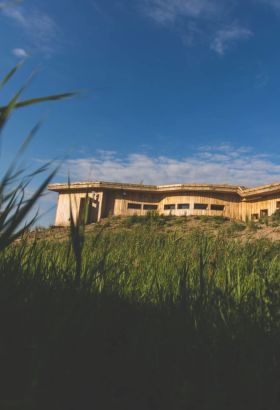
Longhouse Tour and Fire Lighting at La Hougue Bie
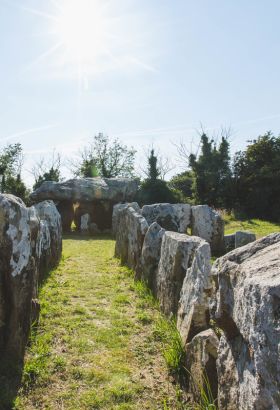
Learn about the Neolithic Longhouse at La Hougue Bie and watch one of our volunteers light a fire using authentic techniques. Every Tuesday, a member of the volunteer team lights a fire in the Longhouse using authentic techniques. This adds warmth to the building but also stops any insect infestation in the traditional straw roof. During your visit, the volunteer will also talk about the traditional methods used and the lessons learned during the build.
Apr 23 2024 ‐ Dec 31 2024
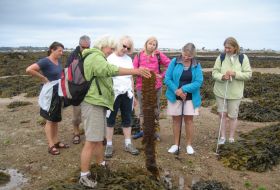
Seaweed Foraging – Wild Vegetables of The Ocean
Green, brown, delicate, bold and sometimes smelly, seaweeds often remain unnoticed. They are, however, an essential ingredient in sushi, miso soup, jellies, and sweets. Discover their value on a gentle coastal walk with an expert local resident.
Apr 26 2024 ‐ Aug 03 2024
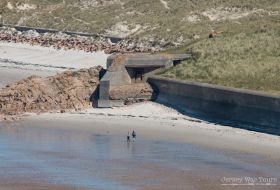
WW2 Bunkers Tours
Join Jersey War Tours and visit WW2 bunkers, which are not usually open to the public. JWT will show you how Jersey was made into an impregnable fortress and help you appreciate what the Third Reich was able to create with slave labour. The tour is also a perfect complement to understanding the history of the D-Day invasion, which took place less than 30 miles away.
Apr 20 2024 ‐ Dec 31 2024

Wine & Gin Tasting
A luxury transfer will take you from The Club Hotel and Spa to Dunnell’s wine merchant located at Beaumont. Established in 1900, Dunnell’s is one of Jersey’s longest standing businesses, renowned for being a purveyor of fine wines and spirits.
Apr 22 2024 ‐ Dec 30 2024
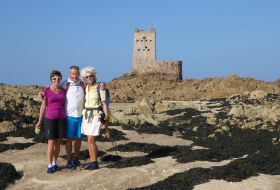
Seabed Walk to Seymour Tower
Walk on the seabed and explore gullies and rock pools as you walk to Seymour Tower (one mile offshore) and discover Jersey’s very own wilderness with expert local guides. Walk in Europe's largest intertidal rocky area during our 'Moonwalks' as you discover the lunar-like rock formations. Escape from the sounds and activities of everyday life as you explore a place that is neither sea nor land.
Apr 21 2024 ‐ Aug 26 2024

Hamptonne Country House Museum Tour
Want to find out more about Hamptonne's history? Take a free tour with one of our volunteer guides.
Apr 22 2024 ‐ Dec 30 2024
Feed your appetite.
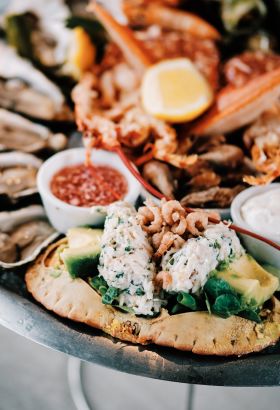
As a small island famous for its food, Jersey’s bursting with flavour from abundant local produce and rich creamy milk, to seafood straight from the island’s clear waters. From beach cafes to chic restaurants, farm stalls to village delis, Jersey is packed with amazing eating experiences to add an authentic local flavour to your stay. Just bring a healthy appetite.
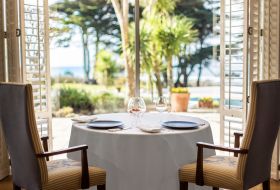
Ocean Restaurant
An exceptional award-winning luxury dining restaurant, showcasing modern British cooking in a stylish setting with the emphasis on the freshest island produce. Working with a network of Jersey producers, the best local ingredients are sourced whenever possible.
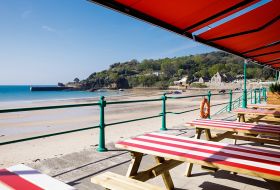
Jersey Crab Shack – St. Brelade
Right on the seafront at St. Brelade's Bay, the flagship Jersey Crab Shack restaurant offers relaxed island-inspired dining with spectacular panoramic views. The small and big plate menu provides flexible ordering with plenty choice, from traditional fish and chips to vegan and vegetarian options.
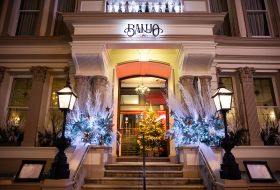
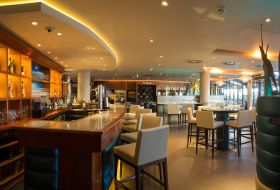
Café Zephyr
Contemporary styling and a buzzing atmosphere. Zephyr offers casual dining using a mix of fusion and pan Asian cuisine combined with local produce. Open for breakfast, lunch and dinner. Fresh and fashionable, Zephyr, which is located within the Royal Yacht Hotel, is the perfect destination, no matter the occasion.
Experience Jersey, island-style.
When it comes to marvellous, memorable experiences, Jersey has it all. Whether you’re a culture vulture, history buff, outdoor explorer, or just like to soak up those relaxed island vibes, you’ll find an experience (or two!) to make your Jersey holiday extra special. Discover just some of the epic island experiences to immerse yourself in, and why not give them a go yourself?




Need some more inspiration?
Not sure where to start or how to fit it all in? Explore all the ways to reconnect, rejuvenate and rebalance in Jersey. You’ll find experiences to warm the soul, energise the mind and invigorate the body.