
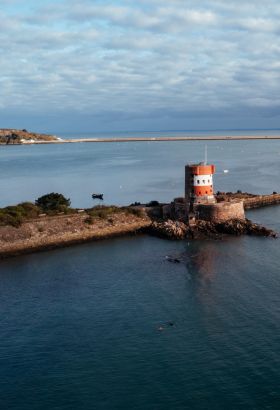
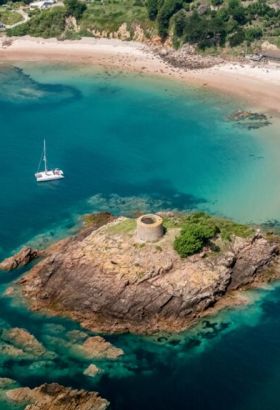
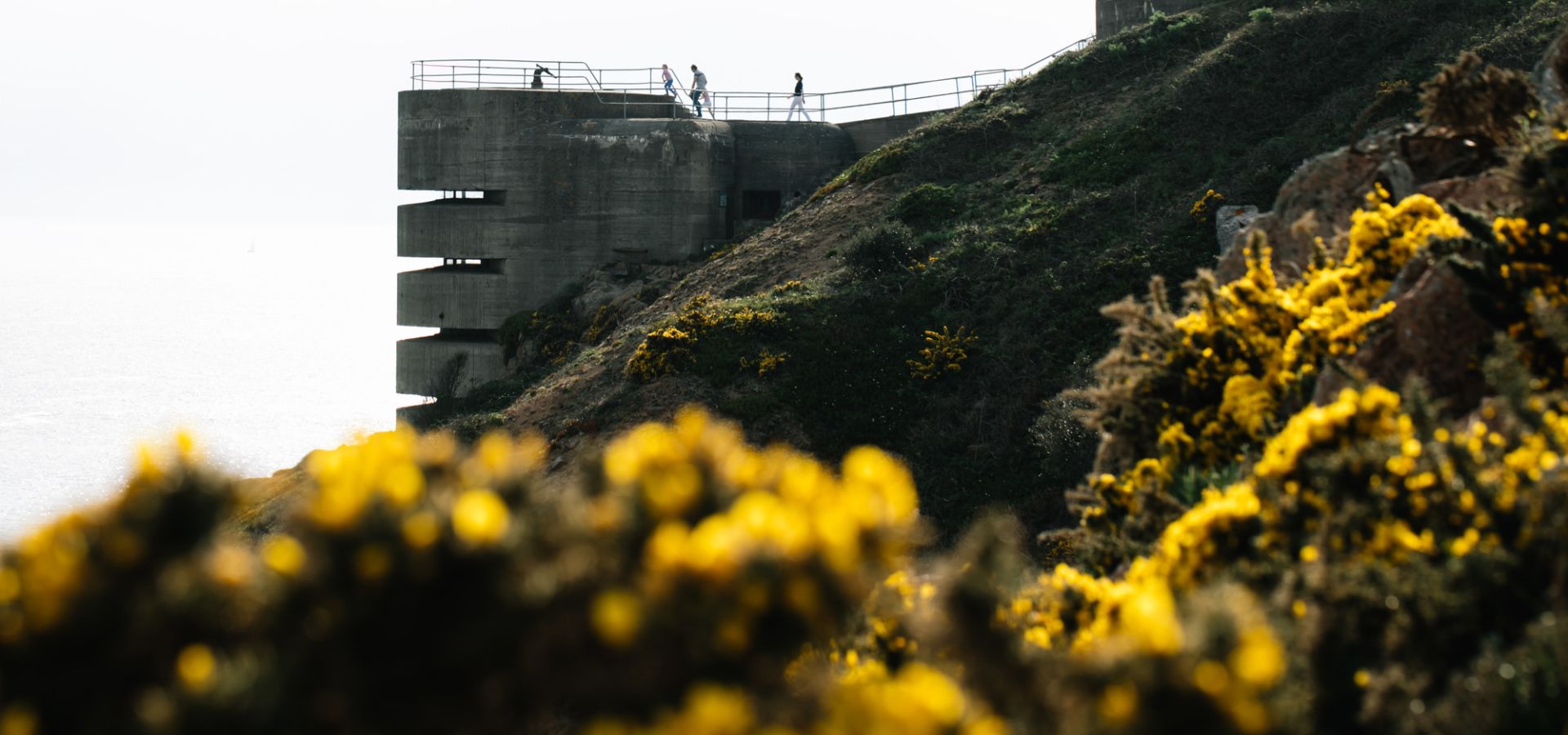
The Occupation of Jersey during WWII left lasting marks on Jersey’s landscape. Following the orders to convert Jersey into an impregnable fortress, thousands of forced workers from countries like Russia, Spain, France, Poland, and Algeria built hundreds of bunkers, anti-tank walls, railway systems, as well as many tunnel complexes. Many of these sites are scattered around Jersey’s countryside and coastline. Explore the island’s unique wartime history and see the traces the five-year-long Occupation left behind, from concrete defences, bunkers and fortifications to a network of underground tunnels.
Visit historical sites or join a expert-led tour to cast light on this dark side of Jersey’s history.
The Jersey War Tunnels.
Jersey War Tunnels or Hohlgangsanlage 8 as the location was known during the war, is over a kilometre of German underground tunnels that were built – mainly by slave workers. Today, it’s a thought-provoking experience that tells the many stories of Jersey’s Occupation through installations, soundscapes and relics of the time. Designed to capture attention with its powerful content, the atmosphere of Jersey War Tunnels impresses on visitors the importance of reflecting on these curated stories.
The Channel Island Military Museum.
It’s a fitting home for this fascinating collection of Occupation history; housed in a WW2 German bunker on St. Ouen’s Bay, this museum is a rich source of insight into history, from German military artefacts to memories, recounted and recorded by locals who lived through the Occupation years. The bunker itself once formed part of Hitler’s Atlantic Wall defences, and is now used as a space for visitors to experience the past.
The Channel Island Occupation Society (CIOS).
The Channel Islands Occupation Society are a non-political, voluntary organisation, dedicated to the preservation and recordal of all aspects of the German Occupation of Jersey during the Second World War. The CIOS has now restored several fortification sites that may be visited by the public throughout the year. Visit these amazingly preserved sites and start discovering Jersey’s unique military history.
The Occupation Tapestry.
How did a local community react to the German invasion? That’s the question answered by the artists who created the award-winning Occupation Tapestry to mark the 50th anniversary of the island’s liberation. Inspired by the stories and memories of those who experienced the Occupation first-hand, you can see it for yourself at Jersey’s Maritime Museum.

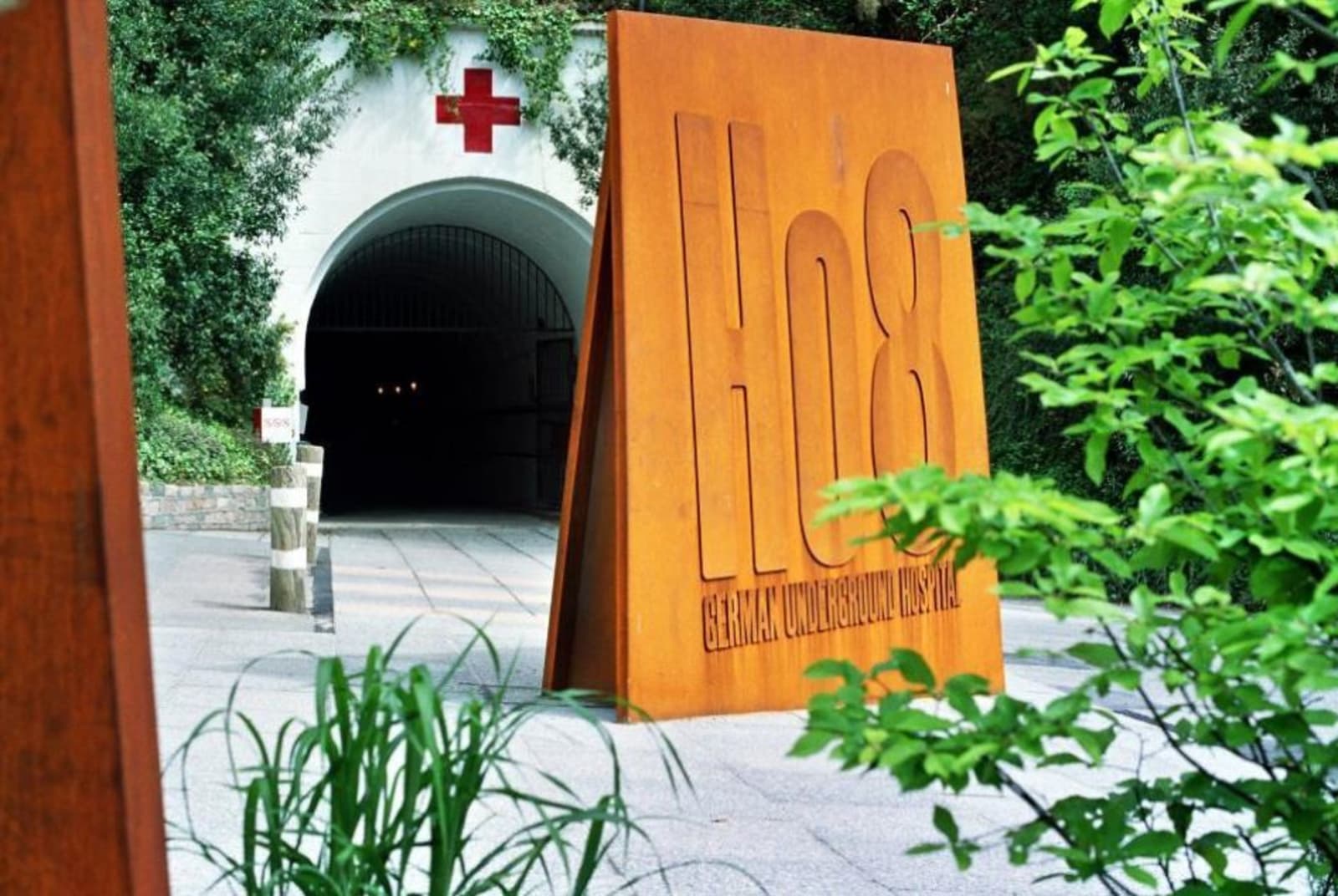

The award winning Jersey War Tunnels.
Liberation Route Europe - Forced Workers Trail.
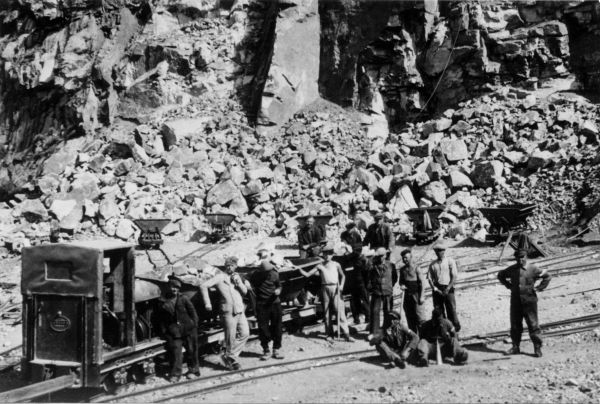
To achieve Hitler’s orders of transforming Jersey into an impregnable fortress, approximately 6000 foreign forced workers were brought to the island against their will over a two year period. The Forced Workers Trail will take you on a journey, visiting the places that tell the story of the plight of the forced workers as witnessed by the civilian population and through writings of the workers themselves.
As you make your way around the Forced Workers Trail, you’ll visit memorials, unassuming buildings and haunting landmarks. A visit to The Stranger’s Cemetery and memorial at Westmount is a reflective experience. Monolithic concrete constructions at Elizabeth Castle serve as monuments to the scale of the forced worker’s labours. Look out for a message left by Spanish workers scratched into the wet concrete, ‘made by Spaniards 11.08.1943’, it whispers. The forced worker’s memorial and exhibition at La Hougue Bie is an evocative reminder of the workers stories. So, set off to uncover the poignant story of forced labour in Jersey during WWII.
Bunker tours.
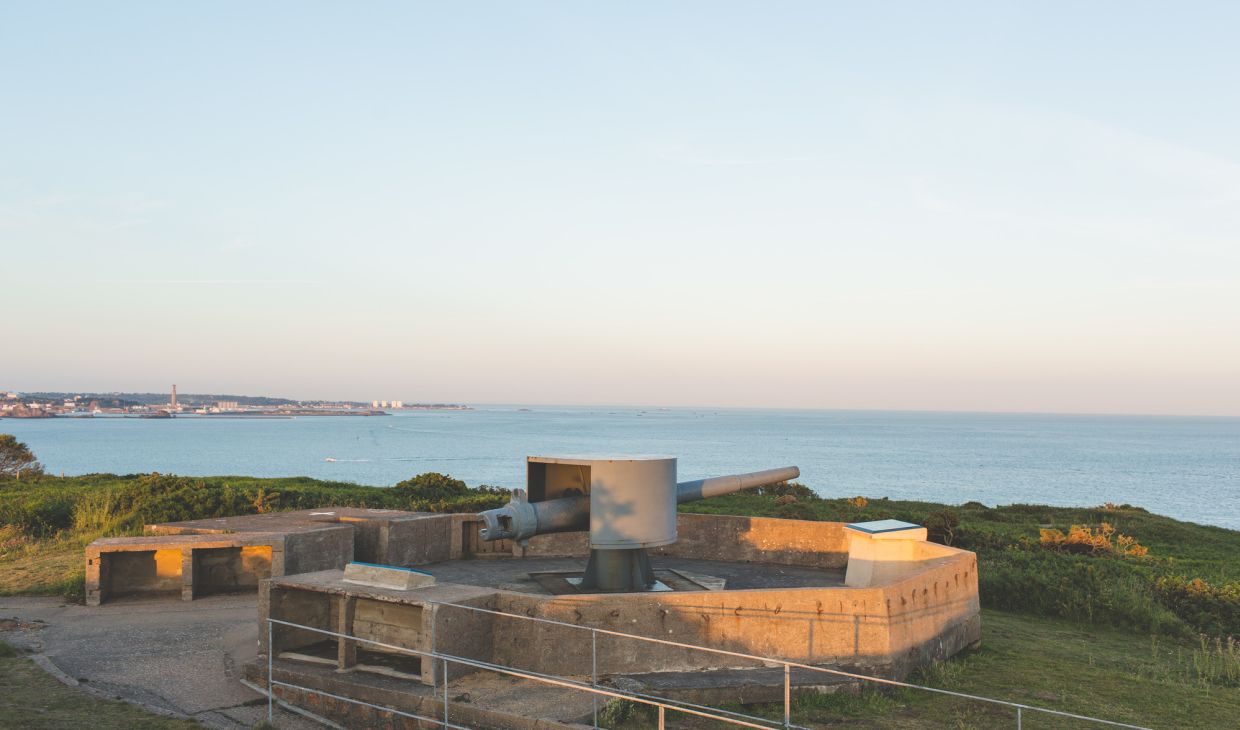
Keen to see more? Through the year, visitors and locals have a chance to delve deeper into the island’s wartime history with tours of Jersey’s many bunkers from the guides at the Channel Islands Occupation Society, Jersey War Tours and Jersey Military Tours. It’s a unique glimpse into this period of history, and a chance to see traces of the Occupation years for yourself.
You’ll be amazed at what you’ll find.
As you explore Jersey, you’re likely to stumble across a number of Occupation sites purely by chance. If you want to immerse yourself in Jersey’s Occupation history, here are a few sites to look out for as you explore the island’s hidden military secrets.
Strongpoint Grève de Lecq
Grève de Lecq Bay was a German strongpoint during the Occupation. The German Forces deployed a lot of armaments and bunkers in the area. In the middle of the bay a Jersey Round Tower dominates the view, this Napoleonic era tower was also modified by the Germans to include a secure bunker at the base, and a roof-mounted machine gun.
Strongpoint Corbière
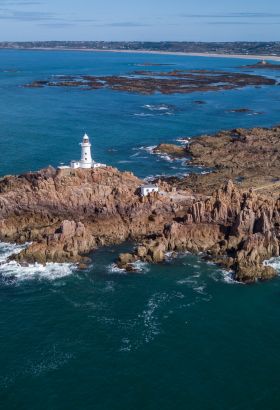
The La Corbière area was the home for a large German Infantry Strongpoint with an array of weaponry and six fortifications built with two meter thick walls and ceilings. The area is great to explore in the afternoon and if you are there for sunset make sure you have your camera ready.
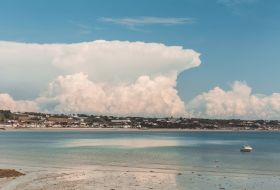
The Anti-Tank Bunkers of St. Aubin’s Bay
Starting opposite the Grand Hotel, there is a lovely seaside walk you can take which will introduce you to four German Resistance Nests. Each Resistance Nest has a Type 631b casemates. These casemates housed a Czechoslovakian 4.7cm PakK 36(t) Anti-Tank Gun with a co-axial MG37(t) machine gun.
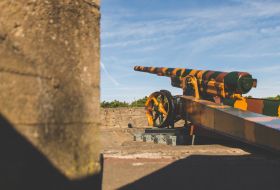
Battery Moltke
Battery Moltke had intended to house four turreted 15cm Naval Artillery Guns that never arrived. The Germans instead used four 155mm Captured French Artillery guns “Canon de 155 Grande Puissance Filloux” (GPF) designated by the Germans as the “K 418(f)”.

South Hill
From Liberation Square, head in the direction of the large exhaust tower to the old harbour and you will find South Hill, with a vast amount of Second World War history. At the base of the South Hill rock, you will find a German Tunnel and a railway tunnel.
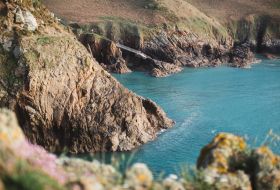
Strongpoint Plémont
Explore the newly restored headland at Plémont and discover a German Second World War Strongpoint. Strongpoint Plemont was a multi-leveled defence with stunning views of the other Channel Islands and Normandy. You will find remains of mortar, machine gun, anti-aircraft and searchlight bunkers. The site is on cliff paths, please take care.
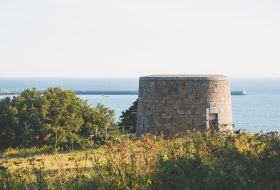
Strongpoint Victoria Tower
Victoria Tower is a Martello Tower and became operational in 1837. The purpose of the tower was to prevent the enemy landing at Anne Port and to prohibit access to Mont Saint Nicolas, protecting Mont Orgueil Castle. The area has outstanding views of Jersey's east coast, with a backdrop of the Norman coast.
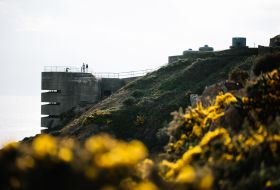
Battery Lothringen
Battery Lothringen was the only German Naval batterie in Jersey. In the 90's the CI Occupation Society recovered one of the batteries gun barrels, which were thrown off the cliffs at the end of the war and this is on display in Gun emplacement Number One. The area provides a good few hours of exploration so, give yourselves time to see everything.
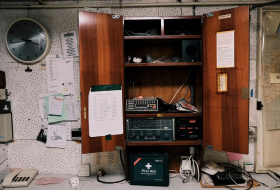
Cold War Bunker – Lé Bunkèr d’la Fraide Dgèrre
Hidden in a street in the heart of St. Helier, this Jersey command centre was kept a secret from the public for years, as the world waited for news of nuclear war. This bunker was a communications centre, passing and receiving messages to and from other bunkers around the UK and Europe.
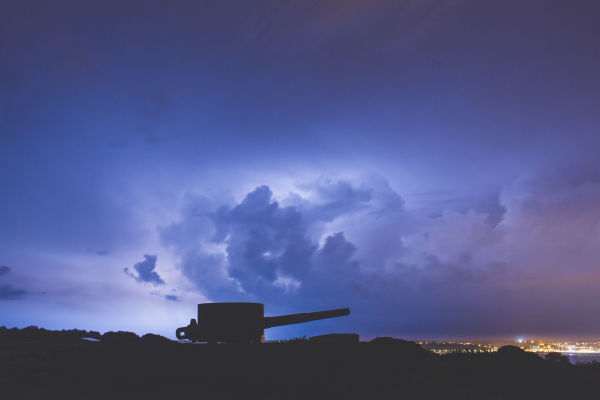
Discover Jersey's Occupation story.
The Channel Islands were the only part of the Britain Isles to be occupied by German forces in WW2. The five-year Occupation came to an end on 9 May 1945 – Liberation Day, an event still celebrated in Jersey with an annual Bank Holiday.
Delve into a story of resilience, hardship and heroism.